Vocabulary
- Native
- Cited
- Connections
- Journeys
- Remotely
Article
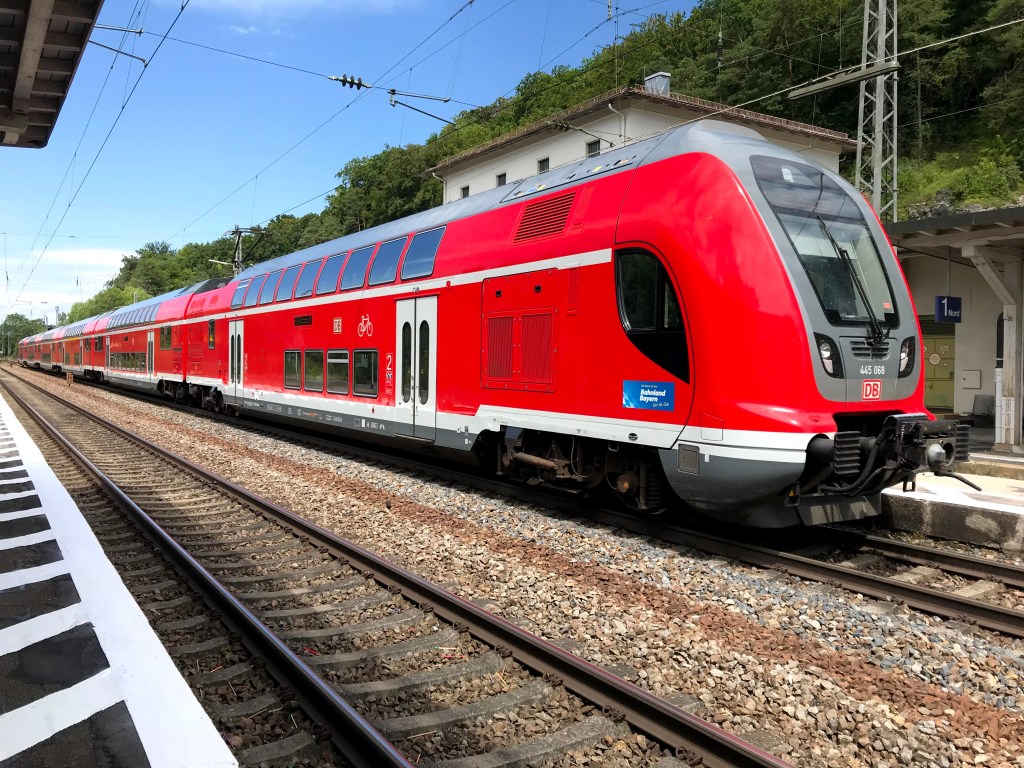
Lasse Stolley finished school at 16. A native of Germany, he knew he wanted to see the world. He purchased a Bahncard 100, a ticket that allows unlimited travel on all Deutsche Bahn trains in Germany for one year, and began his journey. He cited a YouTube documentary as being his main inspiration.
Stolley has travelled more than 500,000 kilometers on trains since then. What makes his story unique is that he doesn’t just travel on trains—he lives on them. He lives on trains full-time, taking trips during the day and sleeping on the seats of high-speed night trains.
“I have a lot of freedom and can decide every day where I want to go, whether to the Alps, to a big city or to the sea,” he said in an interview with Business Insider.
Stolley checks the train connections for the day early in the morning and then decides what journeys he will take, depending on the weather. He goes to swimming pools for showers and often goes on hikes to view beautiful scenery.
He does not pay rent. His costs are about $10,000 per year, including $6,400 in train passes, snacks, and entry fees to places like swimming pools. His main meals are included in his platinum Deutsche Bahn pass.
To cover his living costs and to save money, Stolley works as a programmer. He’s able to work remotely from his laptop. He’s travelled through most of Europe and has been as far as Ankara, Turkey. He shares his travels on a blog named “Life on the Train” and on Instagram.
Summarize the article in your own words.
Speaking
- What would be the most challenging thing about living on trains?
- What is the longest trip you have taken?
- Do you follow any travel bloggers?
- Where would you like to travel in the future?
- Do you know anyone who works remotely while travelling?
Writing
- What are the benefits and drawbacks of working while travelling?
Listening
- Describe what happened in the video. What would you do if you lost your train ticket?
 English with Melody